Sipariş listesinde ürün yok
Ürün başarıyla alışveriş sepetinize eklendi
Sepetinizde 0 ürün bulunmaktadır. Sepetinizde 1 ürün bulunmaktadır.
Biyokimya Kitapları
- Tıp Kitapları
- Acil Tıp
- Adli Tıp ve kriminoloji
- Aile Hekimliği
- Alerji ve İmmünoloji
- Anatomi Kitapları
- Anesteziyoloji ve Ağrı Kitapları
- Biyoloji ve Genetik Kitapları
- Biyomedikal Mühendisliği
- Biyokimya Kitapları
- Çocuk Cerrahisi
- Çocuk Sağlığı ve Hastalıkları Kitabı
- Çocuk ve Ergen Psikiyatrisi
- Dahiliye Kitapları
- Dermatoloji Kitapları
- Endokrinoloji Kitapları
- Farmakoloji Kitapları
- Fiziksel Tıp ve Rehabilitasyon
- Fizyoterapi, Rehabilitasyon ve Spor Hekimliği
- Fizyoloji Kitapları
- Gastroenteroloji Kitapları
- Geleneksel ve Tamamlayıcı Tıp
- Genel Cerrahi Kitapları
- Geriatri
- Göz Hastalıkları
- Göğüs Hastalıkları
- Göğüs Cerrahisi
- Halk Sağlığı Kitapları
- Hematoloji Kitapları
- Histoloji ve Embriyoloji Kitapları
- İnfeksiyon Hastalıkları
- Kadın Hastalıkları ve Doğum
- Kardiyoloji Kitapları
- Kalp Damar Cerrahisi
- Kulak Burun Boğaz Hastalıkları
- Mikrobiyoloji immunoloji Kİtapları
- Nöroşirürji
- Nefroloji
- Nöroloji
- Nükleer Tıp
- Onkoloji
- Ortopedi ve Travmatoloji
- Patoloji Kitapları
- Plastik Cerrahi
- Psikiyatri
- Radyasyon Onkoloji
- Radyoloji
- Romatoloji
- Sağlıklı Yaşıyoruz
- Spor Hekimliği
- Tıp Tarihi ve Tıp Etiği
- Tıbbı İstatistik Araştırma
- Tıp ve Sağlık Hukuku
- Tıbbi Laboratuvar Deney Bilimi
- USMLE & Board Review
- Uyku Tıbbı
- Üroloji
- Yoğun Bakım
- Diş Hekimliği Kitapları
- Eczacılık Kitapları
- Beslenme ve Diyet Kitapları
- Veteriner Hekimlik
- DUS Kitapları
- DUS Akademi Konu Kitapları Serisi
- DUS için Açıklamalı Deneme Sınavları Serisi
- DUS Rapidus Kampı
- Miadent Konu Kitapları Serisi
- Prodent Soru Kitapları Serisi
- DUS Çıkmış Soru Kitapları
- DUSDATA Şampiyonların Notu
- DUS Review Serisi
- DUSDATAMAX Soru Kitapları Serisi
- DUS Akademi Soru Kitapları Serisi
- Diğer Kitapları Serisi
- TUS Kitapları
- Çıkmış TUS Soru Kitapları
- TUS Deneme Serisi
- MEDOTOMY Serisi
- Tusmer
- Klinisyen Konu Kitapları Serisi
- Optimum Serisi
- Premium Serisi
- PRETUS Deneme Sınavları Serisi
- ProspekTUS Serisi
- Klinisyen Soru Kitapları Serisi
- Tusdata TUS Şampiyonların Notları
- Tıbbi İngilizce
- Vaka Soruları Serisi
- Tüm Tus Soruları
- Hızlı Tekrar Serisi
- SpeeTUS Kampı Serisi
- KAMP ÖZEL NOTLARI
- Meditus Serisi
- TUSDER
- YDUS Kitapları
- Hemşirelik ve Ebelik kitapları
- HEMŞİRELİK / halk sağlığı
- HEMŞİRELİK / Hemşirelik Esasları
- HEMŞİRELİK / İç Hastalıkları
- HEMŞİRELİK / Cerrahi Hastalıkları
- HEMŞİRELİK / Kadın hastalıkları ve doğum Ebelik
- HEMŞİRELİK / Ruh Sağlığı ve Hastalıkları
- HEMŞİRELİK / Hemşirelikte Eğitim
- HEMŞİRELİK / Çocuk Sağlığı ve Hastalıkları
- HEMŞİRELİK / Acil tıp hemşireliği
- SAĞLIK BİLİMLERİ
- Çocuk Gelişimi
- Sağlık Yöneticiliği
- Optisyenlik
- Odyoloji
- Saç Bakımı ve Güzellik Hizmetleri
- Anestezi Teknikerliği
- Tıbbi Dökümantasyon ve Sekreterlik
- Tıbbi Laboratuvar Teknisyenliği
- İş Sağlığı ve Güvenliği
- Ergoterapi
- Ağız ve Diş Sağlığı Teknisyenliği
- Dil ve Konuşma Terapisi
- İlk ve Acil Yardım Teknikeri (Paramedik)
- Radyoloji Teknisyenliği
- EĞİTİM BİLİMLERİ
- Değerler Eğitimi
- Eğitim Programları ve Öğretim
- Eğitim Psikolojisi
- Eğitim Yönetimi ve Denetimi
- Eğitimde Drama
- Eğitim Temelleri
- Eğitim Teknolojileri
- Okul Öncesi Eğitim
- Ortaokul Öğretmenliği
- Öğretmenlik Eğitimi Bölümleri
- Ölçme ve Değerlendirme
- Özel Eğitim
- Psikolojik Danışmanlık ve Rehberlik
- Sınıf Öğretmenliği
- Sınıf Yönetimi Etkili Öğretim
- Yabancı Dil Eğitimi
- İLETİŞİM
- İŞLETME
- İKTİSAT / EKONOMİ / MALİYE
- MİMARLIK - SANAT
- BİLİM TEKNİK
- MÜHENDİSLİK - TEKNİK
- FEN BİLİMLERİ
- ÇOCUK VE GENÇLİK KİTAPLARI
- BEŞERİ/SOSYAL BİLİMLER
- ÇEVRE ve YER BİLİMLERİ
- GIDA TARIM ve HAYVANCILIK
- BİYOMEDİKAL MÜHENDİSLİĞİ
- SEYAHAT TURİZM
- SOSYAL ÇALIŞMALAR
- SPOR BİLİMLERİ
- YÖNETİM - SİYASET - ULUSLARARASI İLİŞKİLER
- SINAVLAR HAZIRLIK
- ÖNERİLEN ÜRÜNLER
- Çok Satan Romanlar
- E-Kitaplar
- AYBAK
- Kırtasiye
- Yabancı Dil Eğitimi
- AYBAK 2025 Bahar
 Daha büyük görüntüle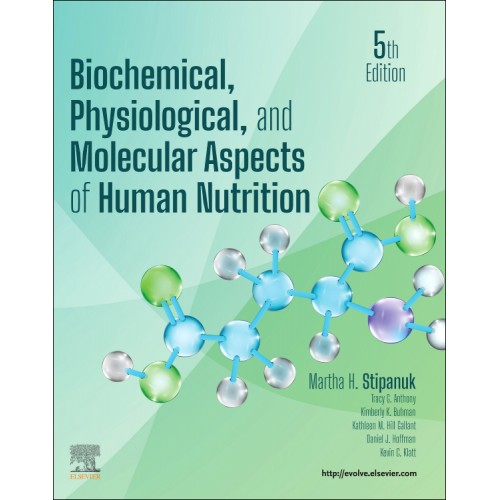
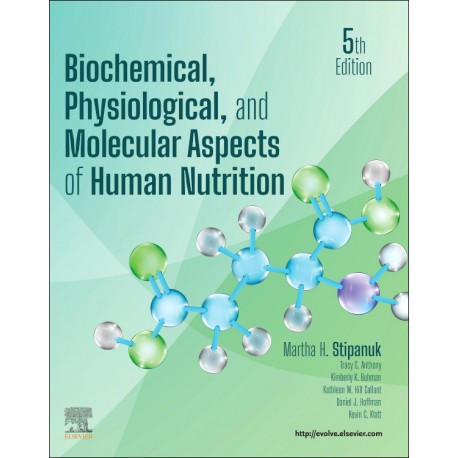
Biochemical, Physiological, and Molecular Aspects of Human Nutrition, 5th Edition
9780443105258
BU KİTAP İÇİN ÖN SİPARİŞ ALINMAKTADIR. TESLİM SÜRESİ 6 - 8 HAFTADIR. BİLGİ ALMAK İÇİN MAĞAZAMIZI ARAYINIZ
1 Adet
10 255,19 TL
8 204,15 TL
-20%
KDV Hariç: 8 204,15 TL
Dikkat: Stoktaki son ürün
- Yorum Yaz
| Description: Gain a complete understanding of nutrition’s role in health and disease! With its comprehensive, easy-to-read format, Biochemical, Physiological, and Molecular Aspects of Human Nutrition, 5th Edition, provides clear, concise coverage of advanced nutrition concepts at the molecular, cellular, tissue, and whole-body levels. Written by a team of nutrition experts, this edition address nutrients by classification, and describes macronutrient function from digestion to metabolism. Fully updated artwork and new features such as bolded summary headings and additional boxes and tables enhance readability and present new research and findings in an easily digestible format. | ||
| Features: | ||
| ||
| New To This Edition: | ||
| ||
| Table Of Contents: | ||
Unit 1: Nutrients | ||
| ISBN | 9780443105258 |
| Basım Yılı | 2026 |
| Sayfa Sayısı | 1048 |
| Yazar(lar) | Martha H. Stipanuk, Ph.D., Tracy G. Anthony, Ph.D, Kimberly K Buhman, PhD, Kathleen M. Hill Gallant, Daniel J. Hoffman and Kevin C. Klatt |