
Sipariş listesinde ürün yok
Ürün başarıyla alışveriş sepetinize eklendi
Sepetinizde 0 ürün bulunmaktadır. Sepetinizde 1 ürün bulunmaktadır.
Anatomi Kitapları
- Tıp Kitapları
- Acil Tıp
- Adli Tıp ve kriminoloji
- Aile Hekimliği
- Alerji ve İmmünoloji
- Anatomi Kitapları
- Anesteziyoloji ve Ağrı Kitapları
- Biyoloji ve Genetik Kitapları
- Biyomedikal Mühendisliği
- Biyokimya Kitapları
- Çocuk Cerrahisi
- Çocuk Sağlığı ve Hastalıkları Kitabı
- Çocuk ve Ergen Psikiyatrisi
- Dahiliye Kitapları
- Dermatoloji Kitapları
- Endokrinoloji Kitapları
- Farmakoloji Kitapları
- Fiziksel Tıp ve Rehabilitasyon
- Fizyoterapi, Rehabilitasyon ve Spor Hekimliği
- Fizyoloji Kitapları
- Gastroenteroloji Kitapları
- Geleneksel ve Tamamlayıcı Tıp
- Genel Cerrahi Kitapları
- Geriatri
- Göz Hastalıkları
- Göğüs Hastalıkları
- Göğüs Cerrahisi
- Halk Sağlığı Kitapları
- Hematoloji Kitapları
- Histoloji ve Embriyoloji Kitapları
- İnfeksiyon Hastalıkları
- Kadın Hastalıkları ve Doğum
- Kardiyoloji Kitapları
- Kalp Damar Cerrahisi
- Kulak Burun Boğaz Hastalıkları
- Mikrobiyoloji immunoloji Kİtapları
- Nöroşirürji
- Nefroloji
- Nöroloji
- Nükleer Tıp
- Onkoloji
- Ortopedi ve Travmatoloji
- Patoloji Kitapları
- Plastik Cerrahi
- Psikiyatri
- Radyasyon Onkoloji
- Radyoloji
- Romatoloji
- Sağlıklı Yaşıyoruz
- Spor Hekimliği
- Tıp Tarihi ve Tıp Etiği
- Tıbbı İstatistik Araştırma
- Tıp ve Sağlık Hukuku
- Tıbbi Laboratuvar Deney Bilimi
- USMLE & Board Review
- Uyku Tıbbı
- Üroloji
- Yoğun Bakım
- Diş Hekimliği Kitapları
- Eczacılık Kitapları
- Beslenme ve Diyet Kitapları
- Veteriner Hekimlik
- DUS Kitapları
- DUS Akademi Konu Kitapları Serisi
- DUS için Açıklamalı Deneme Sınavları Serisi
- DUS Rapidus Kampı
- Miadent Konu Kitapları Serisi
- Prodent Soru Kitapları Serisi
- DUS Çıkmış Soru Kitapları
- DUSDATA Şampiyonların Notu
- DUS Review Serisi
- DUSDATAMAX Soru Kitapları Serisi
- DUS Akademi Soru Kitapları Serisi
- Diğer Kitapları Serisi
- TUS Kitapları
- Çıkmış TUS Soru Kitapları
- TUS Deneme Serisi
- MEDOTOMY Serisi
- Tusmer
- Klinisyen Konu Kitapları Serisi
- Optimum Serisi
- Premium Serisi
- PRETUS Deneme Sınavları Serisi
- ProspekTUS Serisi
- Klinisyen Soru Kitapları Serisi
- Tusdata TUS Şampiyonların Notları
- Tıbbi İngilizce
- Vaka Soruları Serisi
- Tüm Tus Soruları
- Hızlı Tekrar Serisi
- SpeeTUS Kampı Serisi
- KAMP ÖZEL NOTLARI
- Meditus Serisi
- TUSDER
- YDUS Kitapları
- Hemşirelik ve Ebelik kitapları
- HEMŞİRELİK / halk sağlığı
- HEMŞİRELİK / Hemşirelik Esasları
- HEMŞİRELİK / İç Hastalıkları
- HEMŞİRELİK / Cerrahi Hastalıkları
- HEMŞİRELİK / Kadın hastalıkları ve doğum Ebelik
- HEMŞİRELİK / Ruh Sağlığı ve Hastalıkları
- HEMŞİRELİK / Hemşirelikte Eğitim
- HEMŞİRELİK / Çocuk Sağlığı ve Hastalıkları
- HEMŞİRELİK / Acil tıp hemşireliği
- SAĞLIK BİLİMLERİ
- Çocuk Gelişimi
- Sağlık Yöneticiliği
- Optisyenlik
- Odyoloji
- Saç Bakımı ve Güzellik Hizmetleri
- Anestezi Teknikerliği
- Tıbbi Dökümantasyon ve Sekreterlik
- Tıbbi Laboratuvar Teknisyenliği
- İş Sağlığı ve Güvenliği
- Ergoterapi
- Ağız ve Diş Sağlığı Teknisyenliği
- Dil ve Konuşma Terapisi
- İlk ve Acil Yardım Teknikeri (Paramedik)
- Radyoloji Teknisyenliği
- EĞİTİM BİLİMLERİ
- Değerler Eğitimi
- Eğitim Programları ve Öğretim
- Eğitim Psikolojisi
- Eğitim Yönetimi ve Denetimi
- Eğitimde Drama
- Eğitim Temelleri
- Eğitim Teknolojileri
- Okul Öncesi Eğitim
- Ortaokul Öğretmenliği
- Öğretmenlik Eğitimi Bölümleri
- Ölçme ve Değerlendirme
- Özel Eğitim
- Psikolojik Danışmanlık ve Rehberlik
- Sınıf Öğretmenliği
- Sınıf Yönetimi Etkili Öğretim
- Yabancı Dil Eğitimi
- İLETİŞİM
- İŞLETME
- İKTİSAT / EKONOMİ / MALİYE
- MİMARLIK - SANAT
- BİLİM TEKNİK
- MÜHENDİSLİK - TEKNİK
- FEN BİLİMLERİ
- ÇOCUK VE GENÇLİK KİTAPLARI
- BEŞERİ/SOSYAL BİLİMLER
- ÇEVRE ve YER BİLİMLERİ
- GIDA TARIM ve HAYVANCILIK
- BİYOMEDİKAL MÜHENDİSLİĞİ
- SEYAHAT TURİZM
- SOSYAL ÇALIŞMALAR
- SPOR BİLİMLERİ
- YÖNETİM - SİYASET - ULUSLARARASI İLİŞKİLER
- SINAVLAR HAZIRLIK
- ÖNERİLEN ÜRÜNLER
- Çok Satan Romanlar
- E-Kitaplar
- AYBAK
- Kırtasiye
- Yabancı Dil Eğitimi
- AYBAK 2025 Bahar
 Daha büyük görüntüle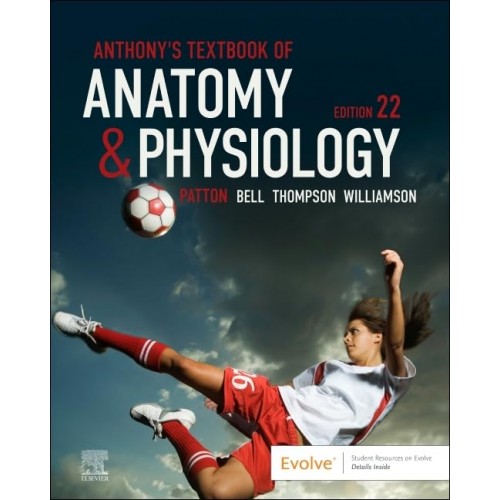
Anthony's Textbook of Anatomy & Physiology, 22nd Edition
9780443115233
BU KİTAP İÇİN ÖN SİPARİŞ ALINMAKTADIR. TESLİM SÜRESİ 6 - 8 HAFTADIR. BİLGİ ALMAK İÇİN MAĞAZAMIZI ARAYINIZ
1 Adet
7 631,77 TL
6 105,41 TL
-20%
KDV Hariç: 6 105,41 TL
Dikkat: Stoktaki son ürün
- Yorum Yaz
| Description: A&P may be complicated, but learning it doesn't have to be! Anthony's Textbook of Anatomy & Physiology, 22nd Edition, uses a clear, easy-to-read approach to tell the story of the human body’s structure and function. Case studies and color-coded illustrations help you see the “Big Picture” of A&P and how the entire body works together. To jump-start learning, each unit begins by reviewing what you have already learned and previewing what you are about to learn. Short chapters simplify concepts with bite-sized chunks of information. Written by a team of experts led by noted educator Kevin Patton, this award-winning text includes 3-D animations, an online anatomy coloring book, and interactive exercises to make learning even easier. | ||
| Features: | ||
| ||
| New To This Edition: | ||
| ||
| Table Of Contents: | ||
UNIT 1: The Body as a Whole | ||
| ISBN | 9780443115233 |
| Basım Yılı | 2026 |
| Sayfa Sayısı | 1273 |
| Yazar(lar) | Patton, Bell, Thompson & Williamson |